Responsible Gambling Controls and Deposit Limits at Slots Temple
Updated November 2026
Licensed
 Available in GB
Fast payouts
18+ Only
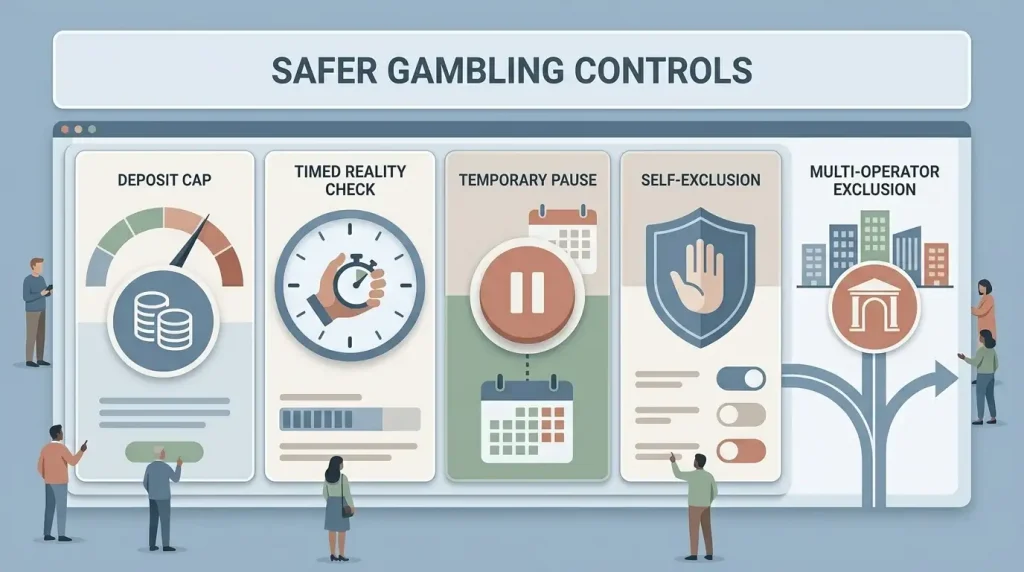
Slots Temple currently provides deposit limits, reality checks, time out and self-exclusion through its player-protection tools. Its UK support page says customers can set daily, weekly and monthly gross or net deposit limits, with lower limits taking effect immediately and increases subject to a 24-hour cooling-off period. Reality checks can be set as timed reminders, while time out temporarily blocks account access and self-exclusion is designed for a longer break.
GAMSTOP is separate from those operator controls. It is a free UK-wide online self-exclusion service covering licensed gambling websites and apps. A regulatory change is also close: as of 28 September 2026, new Gambling Commission deposit-limit terminology and requirements are scheduled to take effect on 30 September 2026. Slots Temple already offers several player controls, while the revised Great Britain requirement takes formal effect on that date.
Table of Contents
- Account Deposit Limits, Time-Outs and GAMSTOP Tools at Slots Temple
- Deposit limits: gross and net are not the same thing
- What changes on 30 September 2026?
- Reality checks: reminders about time spent playing
- Time out: a temporary account break
- Self-exclusion at Slots Temple
- How GAMSTOP differs from an operator self-exclusion
- Deposit limits are separate from statutory slot stake caps
- Account setup is the best time to choose controls
- A practical way to choose between the tools
- Where regulation fits in
- Three layers of control: money, time and access
- What the 30 September rule change does not mean
- Frequently asked questions
- Keep the controls in context
Account Deposit Limits, Time-Outs and GAMSTOP Tools at Slots Temple
The operator’s current UK support material lists four practical account controls: deposit limits, reality checks, time out and self-exclusion. These tools differ in strength and duration. A deposit limit restricts how much money can be added under the chosen calculation. A reality check provides a timed reminder while playing. Time out makes the account inaccessible for a selected short period. Self-exclusion is a stronger restriction intended for people who need a longer break. None of these controls makes gambling safe or removes the possibility of loss. Their value is narrower: they can add friction, boundaries and reminders around account use. The right tool depends on whether the issue is money entering the account, time spent playing, the need for a temporary break, or the need to stop access for an extended period.Deposit limits: gross and net are not the same thing
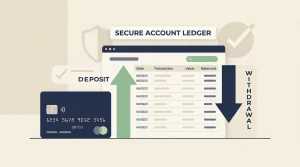
Slots Temple currently says customers can set daily, weekly and monthly limits on either a gross or net basis in the account’s player-protection area. The support page states that its day, week and month periods are based on UTC. A gross deposit limit looks at the total value of approved deposits made during the relevant period. Withdrawals do not restore capacity under that limit. A net deposit limit instead looks at approved deposits minus settled withdrawals during the period, so settled withdrawals can change how much additional depositing remains available within that net framework. This difference is easy to miss. If the goal is a hard ceiling on how much money can enter the account during a period, gross is the more direct concept. A net limit is a different control because withdrawals are part of the calculation. Slots Temple currently presents both choices.What changes on 30 September 2026?
The Gambling Commission has confirmed that new elements of Remote Gambling and Software Technical Standard 12B come into effect on 30 September 2026. As of 28 September 2026, that date is still two days away. Under the incoming rules, a gambling system must offer gross deposit limits as a minimum. Only a limit meeting the gross-deposit definition can be called a “deposit limit” to customers, while other financial controls can still be offered under different terminology. Where more than one type of limit is offered, gross deposit limits must receive at least equal prominence. If several time frames are active at once, the most restrictive must apply. The Gambling Commission also confirms that once a deposit limit is reached, the system must prevent further depositing until the period restarts or the customer takes action to increase the limit, subject to the standard 24-hour cooling-off period. Slots Temple’s support page already describes a 24-hour delay for an increase and immediate effect for a reduction.Reality checks: reminders about time spent playing
Slots Temple lets customers set a timed reality-check reminder in the player-protection area. The purpose is simple: interrupt continuous play with a reminder that makes elapsed time more visible. This is different from a deposit limit because it does not directly control money entering the account. A reality check is most useful when the risk is losing track of time rather than breaching a predetermined deposit ceiling. It can also be used alongside financial controls. Combining tools is reasonable because they address different behaviours, but a reminder should not be treated as proof that continued play is affordable.Time out: a temporary account break
The current Slots Temple support page says time out can be selected from a minimum of 24 hours up to a maximum of six weeks. During the selected period the account is inaccessible. The operator says the account automatically reopens when the period ends and cannot be reopened earlier. This is a short-to-medium break mechanism. It is stronger than a reminder because access is blocked, but it is not the same as self-exclusion. If the need is simply to interrupt a short period of play, time out is the operator control designed for that purpose.Self-exclusion at Slots Temple
Slots Temple states that customers can self-exclude through the player-protection area for a minimum of six months and up to five years, or make a request through customer support. The account becomes inaccessible for the selected period and, unlike time out, the operator says it does not automatically reopen at the end. Self-exclusion is therefore not just a longer version of a reality check. It is intended for customers who need a decisive access restriction. If you are considering that step, the operator also directs users toward GAMSTOP.How GAMSTOP differs from an operator self-exclusion
GAMSTOP Online is a free service for people living in the UK, including Great Britain and Northern Ireland. It excludes a registered person from licensed gambling websites and apps rather than only one operator. GAMSTOP currently offers minimum exclusion periods of six months, one year, five years, or five years with auto-renewal. The distinction matters. A Slots Temple self-exclusion acts at Slots Temple. GAMSTOP is a multi-operator scheme. Someone trying to stop online gambling across licensed operators should understand that wider scope rather than assuming a single-casino exclusion automatically carries across the market.Deposit limits are separate from statutory slot stake caps
A deposit limit controls money entering an account. A stake cap controls how much can be risked on an individual online slot game cycle. In Great Britain, online slots are capped at £5 per game cycle for players aged 25 or over and £2 for players aged 18 to 24. Those caps have been in force since 2025 and apply specifically to online slots, not every casino game. The UK slot stake limits explains the game-cycle rule and its scope. Do not treat the statutory stake cap as a substitute for deciding what level of deposits is personally affordable.Account setup is the best time to choose controls
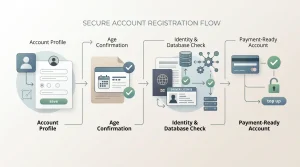
Safer-gambling settings are easier to use proactively than reactively. When creating an account, review the player-protection area and decide whether a deposit limit or reality check would be useful before regular play starts. The registration and KYC explains the account-verification sequence that sits alongside this setup. If you use promotional offers, remember that bonus wagering rules are a separate topic from personal spending controls. Always check the safer gambling tools available at Slots Temple UK before funding your account. Great Britain now caps wagering requirements attached to qualifying incentives at 10x under the rules covered in the site’s UK wagering rules.A practical way to choose between the tools
- Use a deposit limit when:
- You want to define how much can be added to the account over a chosen period.
- Use a reality check when:
- You want timed interruptions that make session length more visible.
- Use time out when:
- You want the account to be inaccessible for a defined short break.
- Use self-exclusion when:
- You need a longer, stronger block on access to the Slots Temple account.
- Use GAMSTOP when:
- You want online self-exclusion across licensed gambling websites and apps in the UK rather than at a single operator.